Puerto Vallarta | Jalisco | México
US/CA Patient Line: +52 322 372-1987
Office Phone: +52 322 111 7388

- Conditions We Treat
- Aging Afflictions (Genetic & Aesthetic)
- Fibromyalgia
- Amyotrophic Lateral Sclerosis
- Pulmonary Cystic Fibrosis
- Chronic Renal Failure
- Multiple Sclerosis
- Stroke and Heart Attack Recovery
- Muscular Dystrophy Treatment
- Autoimmune Diseases
- Metabolic Hormonal Imbalance
- Muskuloskeletal Degenerative Alterations
- Chronic Pain
- Guillain-Barré Syndrome
- About Our Clinic
- How Stem Cells Work
- Alternative Treatments
- Conditions We Treat
- Aging Afflictions (Genetic & Aesthetic)
- Fibromyalgia
- Amyotrophic Lateral Sclerosis
- Pulmonary Cystic Fibrosis
- Chronic Renal Failure
- Multiple Sclerosis
- Stroke and Heart Attack Recovery
- Muscular Dystrophy Treatment
- Autoimmune Diseases
- Metabolic Hormonal Imbalance
- Muskuloskeletal Degenerative Alterations
- Chronic Pain
- Guillain-Barré Syndrome
- About Our Clinic
- How Stem Cells Work
- Alternative Treatments
Alternative Cancer Treatments in Mexico
As cancer continues to affect millions, the quest for more effective and less invasive alternative cancer treatments in Mexico to substitute traditional chemotherapy and radiation has led to encouraging developments in stem cell applications against this formidable disease. Innovative research indicates that stem cell therapy offers a groundbreaking method for treating various types of cancer.
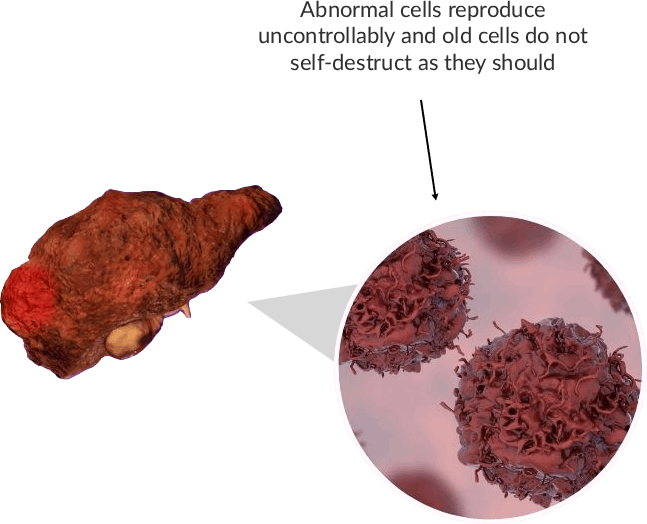
Cancer is characterized by the uncontrolled growth of abnormal cells that invade and cause damage to surrounding tissue.
What is Cancer?
Cancer is characterized by the uncontrolled growth of abnormal cells that invade and cause damage to surrounding tissue.
It’s crucial to understand that cancer is not a single disease but rather a broad category encompassing various types, each with its unique characteristics and behaviors.
At its core, cancer develops when normal cellular mechanisms go awry, leading to the formation of malignant tumors or the invasion of surrounding tissues. These abnormal cells have the potential to metastasize, meaning they can migrate to other parts of the body through the bloodstream or lymphatic system, further complicating the condition.
What are the symptoms of Cancer?
Physiological Effects
Unexpected and significant weight loss, fatigue, the presence of lumps or abnormalities, eating problems, thickening or lump in the breast or other parts of the body, unusual bleeding, skin changes such as a lump that bleeds, and changes in bowel or bladder habits.
Anxiety, depression, or heightened stress levels may accompany the physical manifestations of the disease.
Psychological Changes
While these symptoms are potential indicators of cancer, it’s essential to approach the topic with caution and consult healthcare professionals for a comprehensive evaluation. Early detection significantly improves treatment outcomes, underscoring the importance of both self-awareness and regular medical check-ups.
Cancer, a formidable adversary in the realm of health, is a condition with multifaceted origins rooted in the intricate interplay of genetics, environmental factors, and lifestyle choices.
Unraveling the complexities of what causes cancer requires a nuanced understanding that spans both the molecular and behavioral dimensions. It’s crucial to note that while genetics plays a role, most cancers are attributed to environmental influences and lifestyle choices.
Environmental factors encompass a broad spectrum, including:
- Exposure to carcinogens such as tobacco smoke.
- Exposure to certain chemicals and radiation.
- Poor dietary habits.
- Sedentary behavior.
- Stress.
Moreover, the intricate dance between genetics and environment is complemented by the immune system’s role. A compromised immune system may fail to recognize and eliminate aberrant cells, allowing them to increase and form tumors. Chronic inflammation, often fueled by factors like obesity and infections, further creates an environment conducive to cancer development.
From a psychological perspective, stress and emotional well-being play a role in influencing the body’s resilience against cancer. While not a direct cause, chronic stress may weaken the immune system, potentially impacting the body’s ability to combat abnormal cell growth.
In essence, the causes of cancer are a convergence of genetic predisposition, environmental exposures, and lifestyle choices. Recognizing and holistically addressing these factors is pivotal in the ongoing efforts to prevent and treat this complex condition.
Can stem cells be used to treat Cancer?
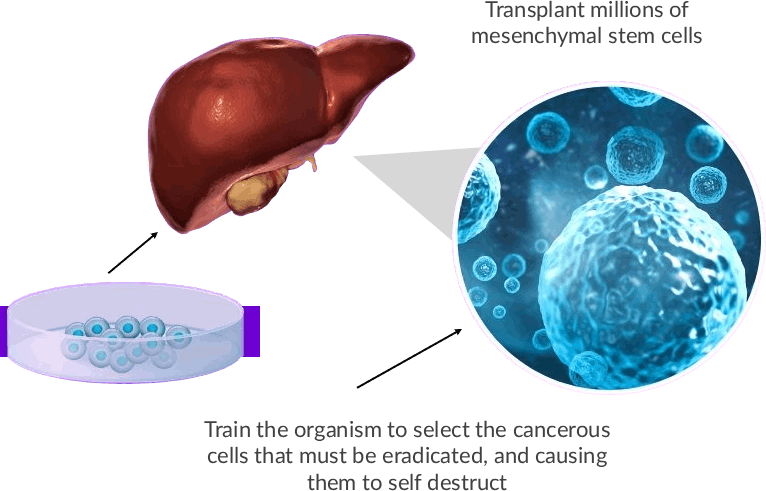
In a clinical study complying with FDA and AATB standards, mesenchymal stem cells were determined to be safe and effective.
Stem cells
Stem cells, with their unique ability to differentiate into various cell types, hold promise for innovative approaches to tackle cancer.
Stem cells, characterized by their remarkable capacity for self-renewal and differentiation, offer a multifaceted avenue for cancer treatment. One approach involves leveraging the regenerative potential of stem cells to replace damaged or cancerous cells with healthy ones. This approach is known as stem cell transplantation.
Stem cell transplants are most often used to treat people with cancers that affect blood cells, such as leukemia, lymphoma, multiple myeloma, and myelodysplastic syndromes. They may also be used for neuroblastoma, Ewing sarcoma, brain tumors that have come back in children, germ cell tumors, and testicular cancer.
1) National Cancer Institute. Original source: https://www.cancer.gov/about-cancer/treatment/types/stem-cell-transplant
2) National Cancer Institute. Original source: https://www.cancer.gov/about-cancer/treatment/types/